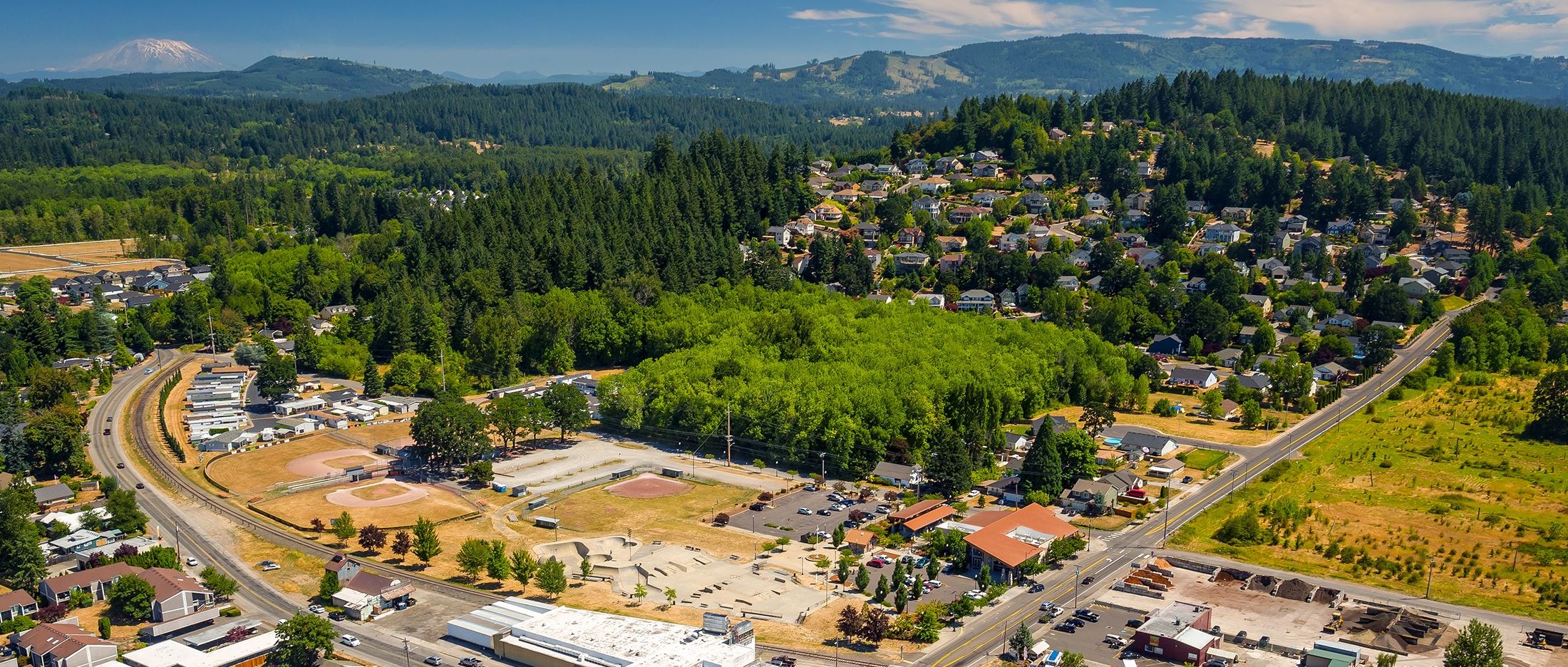
Castle Rock, Washington is a small but historically rich city located in Cowlitz County, nestled along the Cowlitz River in Southwest Washington. Known for its quiet charm, natural surroundings, and strong community spirit, Castle Rock offers a slower pace of life while remaining conveniently close to larger cities such as Longview, Kelso, Vancouver, and Portland, Oregon.
With deep roots in logging, agriculture, and river commerce, Castle Rock has evolved into a peaceful residential community that appeals to families, retirees, outdoor enthusiasts, and anyone seeking affordability and connection to nature. This in‑depth guide explores Castle Rock’s history, geography, lifestyle, economy, neighborhoods, education, recreation, real estate, and future outlook.
History of Castle Rock
Early Settlement
Castle Rock’s history dates back to the mid‑1800s when settlers were drawn to the area by the fertile land and the strategic importance of the Cowlitz River. The city gets its name from a distinctive volcanic rock formation near the river that resembled a castle to early explorers.
Originally, the area served as a trading and transportation hub between the Columbia River and inland settlements. The river played a critical role in the movement of goods, timber, and agricultural products.
Growth Through Industry
During the late 19th and early 20th centuries, Castle Rock grew alongside the regional logging and timber industry. Sawmills, farms, and river transport supported steady development, and the town became an important stop along early travel routes through Southwest Washington.
While industrial activity eventually declined, Castle Rock maintained its identity as a close‑knit working community.
Geography and Natural Setting
Castle Rock is located approximately 20 miles north of Longview and 50 miles north of Vancouver, making it well‑positioned for residents who enjoy rural living with access to urban services.
Natural Features
- The Cowlitz River, flowing through the city
- Rolling hills and forested landscapes
- Nearby access to Mount St. Helens National Volcanic Monument
- Rivers, creeks, and farmland surrounding the town
The natural environment defines daily life in Castle Rock, providing scenic views and easy access to outdoor activities.
Climate and Weather
Castle Rock experiences a temperate Pacific Northwest climate.
- Summers: Mild to warm with low humidity
- Winters: Cool and wet, with rare snowfall
- Spring and Fall: Lush greenery and changing colors
The climate supports agriculture, gardening, and year‑round outdoor recreation.
Lifestyle and Community
Small‑Town Atmosphere
One of Castle Rock’s biggest draws is its small‑town feel. Residents enjoy knowing their neighbors, participating in local events, and supporting local businesses. Life moves at a more relaxed pace compared to nearby urban areas.
Community Values
Castle Rock is known for:
- Strong family values
- Community pride
- Friendly neighborhoods
- Civic involvement
Many residents choose Castle Rock for its sense of safety, simplicity, and connection.
Economy and Employment
Local Economy
Castle Rock’s economy is primarily supported by:
- Small businesses
- Agriculture and farming
- Construction and trades
- Retail and services
While the city itself has limited large employers, many residents commute to nearby Longview, Kelso, or Vancouver for work.
Commuter-Friendly Location
With convenient highway access, Castle Rock is a practical choice for commuters who want rural living without complete isolation.
Education in Castle Rock
Public Schools
Castle Rock is served by the Castle Rock School District, which includes:
- Elementary schools
- Middle school
- Castle Rock High School
The district emphasizes academic achievement, athletics, and community involvement.
Community Support for Education
Local schools benefit from strong community support, with families actively involved in school events, sports, and extracurricular programs.
Neighborhoods and Housing Areas
Castle Rock is compact, and most neighborhoods are within a short drive of schools, parks, and downtown amenities.
Residential Areas
Housing areas range from:
- Traditional single‑family homes
- Manufactured homes
- Rural properties on acreage
- Farm and river‑adjacent homes
Many properties offer larger lots than those found in nearby cities.
Real Estate and Housing Market
Housing Affordability
One of Castle Rock’s strongest advantages is affordability. Home prices are generally lower than in:
- Vancouver
- Portland metro areas
- Much of western Washington
This makes Castle Rock appealing to:
- First‑time homebuyers
- Families
- Retirees
- Remote workers
Rental Market
Rental options exist but are more limited due to the town’s size. Demand is steady, particularly for single‑family rentals.
Outdoor Recreation and Activities
River and Nature Access
Outdoor recreation is a major part of life in Castle Rock.
Popular activities include:
- Fishing along the Cowlitz River
- Kayaking and boating
- Hiking nearby trails
- Wildlife viewing
- Camping in surrounding areas
Parks and Local Recreation
Castle Rock maintains parks and open spaces that support:
- Family outings
- Youth sports
- Community gatherings
The surrounding region offers countless opportunities for exploration.
Arts, Events, and Local Culture
Community Events
Castle Rock hosts local events that bring residents together, including:
- Seasonal festivals
- Holiday celebrations
- School sporting events
These gatherings strengthen the town’s close‑knit atmosphere.
Local Businesses
Small businesses are central to Castle Rock’s identity. Residents support local:
- Restaurants
- Shops
- Service providers
This local focus helps preserve the town’s character.
Transportation and Accessibility
Road Access
Castle Rock is easily accessible via major highways, allowing for:
- Commutes to Longview and Kelso
- Trips to Vancouver and Portland
- Regional travel throughout Southwest Washington
Public Transportation
Public transportation options are limited, making personal vehicles the primary mode of travel.
Challenges and Opportunities
Like many small towns, Castle Rock faces challenges such as:
- Limited job opportunities within city limits
- Fewer amenities than larger cities
- Housing availability constraints
However, these challenges are balanced by:
- Lower cost of living
- Quiet lifestyle
- Strong community ties
The Future of Castle Rock, Washington
Castle Rock continues to focus on preserving its small‑town character while supporting thoughtful growth. Future development is expected to remain modest, with an emphasis on housing, infrastructure maintenance, and community services.
The town’s location and affordability position it as an attractive option for people seeking relief from rising costs in larger cities.
Is Castle Rock, Washington a Good Place to Live?
Castle Rock is ideal for people who value:
- Quiet living
- Natural surroundings
- Affordability
- Community connection
It may not suit those seeking nightlife or large‑city amenities, but for families, retirees, and outdoor lovers, Castle Rock offers a rewarding lifestyle.
Conclusion
Castle Rock, Washington stands as a reminder that small towns still play an important role in the Pacific Northwest. With its deep history, riverfront setting, affordable housing, and strong sense of community, Castle Rock offers a peaceful alternative to city life without complete isolation.
For those seeking simplicity, space, and connection to nature, Castle Rock remains a place where people don’t just reside—they belong.