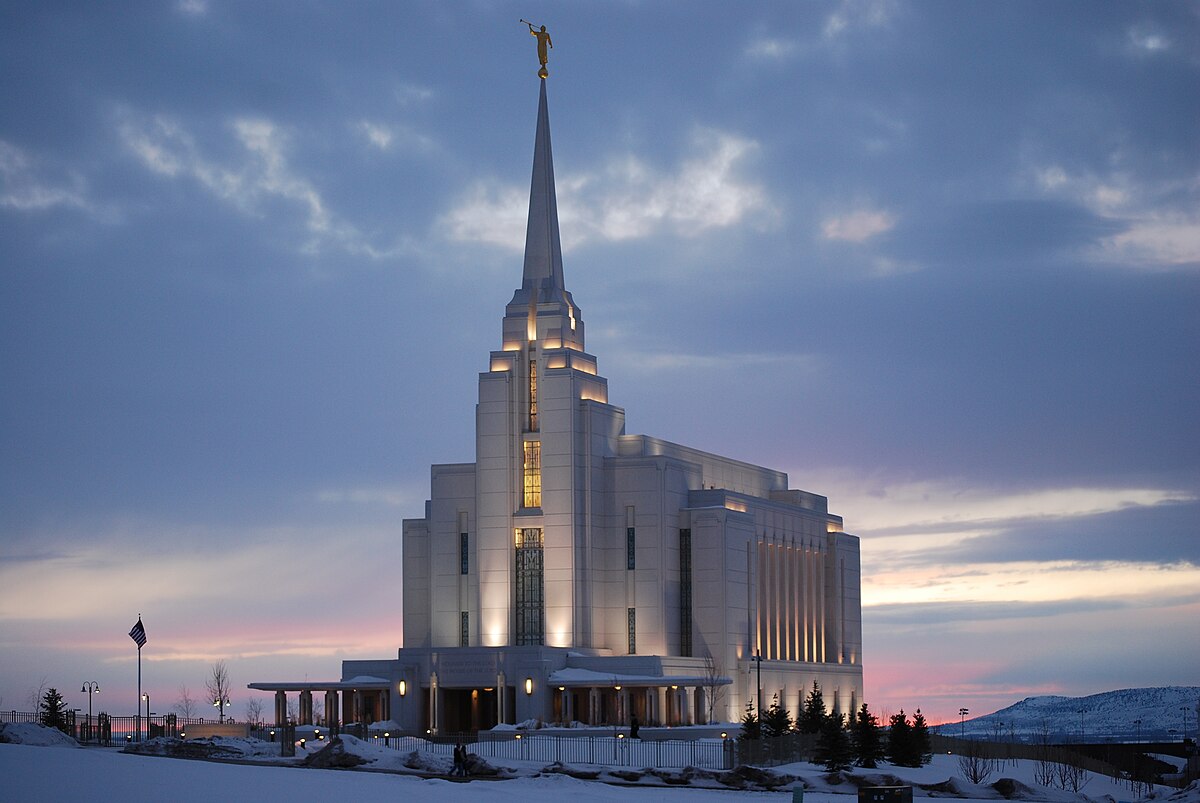
Salem, Oregon’s capital city, is one of the Pacific Northwest’s most historically rich and geographically central destinations. Located in the heart of the Willamette Valley—one of the most fertile agricultural regions in the United States—Salem blends government, culture, outdoor recreation, small‑town warmth, and big‑city convenience into a single inviting community. From its deep Indigenous roots and early pioneer history to its modern identity as a hub of arts, education, agriculture, and state leadership, Salem stands out as a multifaceted place with a story worth telling.
This long‑form guide explores Salem in depth: its neighborhoods, economy, culture, attractions, real estate market, lifestyle, parks, food scene, and overall identity. Whether you’re researching cities for relocation, building a real estate website, creating travel content, or simply expanding your knowledge about Oregon communities, this blog delivers a complete, high‑value overview of Salem, OR.
1. Overview of Salem, Oregon
Salem is the second-largest city in Oregon, located about one hour south of Portland along Interstate 5. As the state capital, it is home to the Oregon State Capitol, multiple state agencies, Willamette University, and a growing blend of residential suburbs and commercial districts.
Salem appeals to a wide spectrum of residents:
- Government employees who work at state agencies
- College students attending local universities and community colleges
- Families drawn to parks, schools, and quiet neighborhoods
- Retirees seeking affordability compared to the Portland metro
- Agriculture and wine industry professionals working in the Willamette Valley
The city’s reputation sits somewhere between small-town comfort and midsized-city opportunity. Unlike larger cities, Salem maintains slower traffic, calmer neighborhoods, and a balanced lifestyle focused on community and accessibility.
2. A Brief History of Salem
Understanding Salem today means exploring the story behind its foundation.
Indigenous Heritage
Long before European settlement, the Kalapuya people inhabited the Willamette Valley. The region that is now Salem served as a seasonal gathering area due to its proximity to rivers and wildlife.
Mission Settlement
In the 1840s, the Methodist Mission, led by Jason Lee, established a settlement called “Chemeketa,” meaning “meeting or resting place.” Eventually, the town was renamed Salem, possibly from the Hebrew word “shalom,” meaning peace.
Becoming the State Capital
Oregon became a state in 1859, and Salem was cemented as the capital after competing with cities like Eugene and Corvallis. Today, the Oregon State Capitol is one of the city’s most recognizable landmarks.
Modern Growth
Over the past several decades, Salem evolved from an agriculturally dependent town into a governmental, educational, and cultural hub. Despite growth, Salem retains much of its original small-town charm.
3. Salem’s Geography & Climate
Salem sits in the fertile Willamette Valley, surrounded by farmlands, vineyards, and wooded hills. It is close to major natural landmarks:
- 45 minutes from Silver Falls State Park
- 60 minutes from Portland
- 90 minutes from the Oregon Coast
- 2 hours from the Cascade Mountains
Climate
Salem’s weather is typical of western Oregon:
- Mild, rainy winters
- Warm, dry summers
- Frequent cloudy days but plenty of sunshine in summer
- Rare snow, usually just a few times per year
This climate supports agricultural richness—berries, hops, hazelnuts, wine grapes, and a variety of vegetables thrive here.
4. Neighborhoods of Salem
Salem is divided into diverse neighborhoods, each with different housing styles, amenities, and atmospheres.
Downtown Salem
The cultural and administrative center of the city.
- Walkable streets
- Coffee shops, boutiques, and restaurants
- Riverfront Park
- Historic buildings
- High-density housing, condos, and mixed-use developments
Downtown appeals to students, young professionals, and anyone who prefers urban living.
West Salem
Located across the Willamette River and connected by two main bridges.
- Newer housing developments
- Scenic hilltop neighborhoods
- Strong schools
- Views of the valley
- A suburban feel
West Salem is one of the most desirable residential zones due to its modern development.
South Salem
One of the largest and most diverse areas.
- Family-friendly subdivisions
- Established schools
- Quiet streets
- Shopping centers
- Access to hiking trails and parks
South Salem is ideal for families and long-term residents seeking space and stability.
North Salem
A blend of historic areas and commercial zones.
- Older homes
- Affordable housing
- Proximity to schools, state offices, and retail
- Cultural diversity
It offers more budget-friendly living options.
East Salem / Hayesville
Located partly outside city limits but functionally a part of Salem’s metro.
- Affordable suburban neighborhoods
- Growing businesses
- A mix of apartments and single-family homes
Great for residents seeking value and convenience.
5. Real Estate & Housing Market
Salem’s housing market is generally more affordable than Portland, though prices have steadily increased over the past decade. Homebuyers and renters choose Salem because it balances affordability with amenities.
Housing Types
- Modern suburban subdivisions
- Mid-century homes
- Apartments and townhomes
- Rural properties on the outskirts
- Luxury homes in West and South Salem
Who Buys in Salem?
- First-time homebuyers escaping Portland prices
- Retirees seeking low-maintenance homes
- Families needing good schools and parks
- Investors looking for steady rental demand
Salem’s real estate market offers both long-term stability and growth potential.
6. Economy & Employment
As the state capital, Salem’s economy is significantly influenced by government, education, and agriculture.
Major Employment Sectors
- State Government
- Dozens of agencies and departments
- Thousands of stable jobs
- Education
- Willamette University
- Chemeketa Community College
- Salem-Keizer School District
- Healthcare
- Salem Health
- Private clinics and specialty providers
- Agriculture & Food Processing
- Farms, wineries, packing facilities
- Nurseries and greenhouse businesses
- Retail & Services
- Shopping centers
- Hospitality
- Local businesses
Business Climate
Salem continues to see growth in:
- Technology startups
- Craft food and beverage companies
- Vineyards and wine tourism
- Manufacturing and logistics
Its central location along the I‑5 corridor makes it attractive for distribution and commerce.
7. Education in Salem
Salem offers a wide array of educational options for residents of all ages.
Public Schools – Salem-Keizer School District
One of Oregon’s largest districts, known for:
- Diverse student populations
- Strong arts and athletics
- Career technical education options
- Bilingual programs
Colleges & Universities
- Willamette University – Oregon’s oldest university
- Chemeketa Community College – a highly respected community college serving the entire region
- Corban University – a private Christian institution
Education is a central part of Salem’s identity, drawing students from across the Pacific Northwest.
8. Arts, Culture & Entertainment
Despite its modest size, Salem has a thriving cultural scene.
Museums & Cultural Centers
- Oregon State Capitol Building & Park
- Willamette Heritage Center
- Hallie Ford Museum of Art
- Bush House Museum
Performing Arts
- Elsinore Theatre (historic and iconic)
- Pentacle Theatre (community performing arts)
- Salem Chamber Orchestra
Festivals & Annual Events
- Salem Art Fair & Festival
- World Beat Festival
- Oregon State Fair
- Holiday tree lighting at the Capitol
Salem’s cultural calendar appeals to families, artists, and visitors alike.
9. Parks & Outdoor Recreation
Nature is a huge part of Salem’s lifestyle.
Local Parks
- Riverfront Park – ferris wheel, amphitheater, splash area, and the Peter Courtney Minto Island Bridge
- Minto-Brown Island Park – 1,200+ acres of trails, wetlands, and open space
- Bush’s Pasture Park – gardens, walking paths, and historic sites
Nearby Natural Wonders
- Silver Falls State Park – famous for the Trail of Ten Waterfalls
- Detroit Lake – boating and camping
- Willamette River – kayaking, fishing, and riverside trails
Outdoor enthusiasts find no shortage of activities year-round.
10. Food & Drink Scene
Salem’s culinary world has grown significantly.
Dining Options
- Farm-to-table restaurants
- Local bakeries and artisan coffee shops
- International cuisine from diverse communities
- Family-owned cafés
- Riverfront dining experiences
Wineries & Breweries
Salem sits in the heart of wine country. Visitors can explore:
- Pinot noir vineyards
- Tasting rooms
- Family-run farms
- Craft breweries and cider houses
The farm-fresh nature of the region heavily influences the city’s food culture.
11. Shopping & Local Businesses
Salem offers a mix of:
- Modern shopping centers
- Local artisan markets
- Antique stores
- Downtown boutiques
- Seasonal farm stands
Keizer Station, Lancaster Drive, and Downtown Salem are major retail hubs.
12. Transportation & Accessibility
Highways
- Interstate 5
- Highway 22
- Highway 99E
Public Transit
- Cherriots bus system
- Local routes and express routes
Other Transportation Options
- Bike-friendly streets
- Walkable downtown
- Amtrak access via Salem station
Residents enjoy relative convenience without the congestion typical of larger metros.
13. Lifestyle & Community Atmosphere
Salem is known for:
- Friendly, down-to-earth residents
- A slower pace compared to Portland
- Moderate cost of living
- Strong community involvement
- Beautiful seasonal scenery
It’s a comfortable, family-friendly city with a balanced approach to modern living.
14. Is Salem a Good Place to Live?
For many, the answer is yes. Salem is chosen for:
- Affordability
- Access to nature
- Government and educational jobs
- Diverse neighborhoods
- A calm, steady lifestyle
It’s a city that appeals to those who want Oregon beauty without Portland prices or traffic.
Final Thoughts
Salem, OR is a city with layers: history, culture, government, nature, food, and community. Whether someone is planning a move, researching places for real estate, or simply exploring Oregon cities, Salem stands out as a well-rounded destination full of opportunity and charm.